If you got engaged during engagement season, congratulations. Now for the part no one warns you about: the moment you say yes, your wedding quietly turns into a “group project” in everyone else’s mind.
Advice starts pouring in. Some of it is helpful, some of it is outdated, and some of it is well-meaning pressure dressed up as a suggestion. This post is your reminder, and your reset: your wedding is not a group project, and you get to plan it that way.
Start with this mindset: most advice is a reflection, not a requirement
When someone gives you advice, they’re usually sharing what they wish they had known, what they regret, or what mattered to them personally. That does not make it wrong. It just means it may not be right for you.
Your job is not to follow every suggestion. Your job is to plan a wedding that fits your relationship, your priorities, and your budget. Everything else is optional.
You can appreciate someone’s input without handing them a seat on the decision-making team.
Create a “two yeses” standard
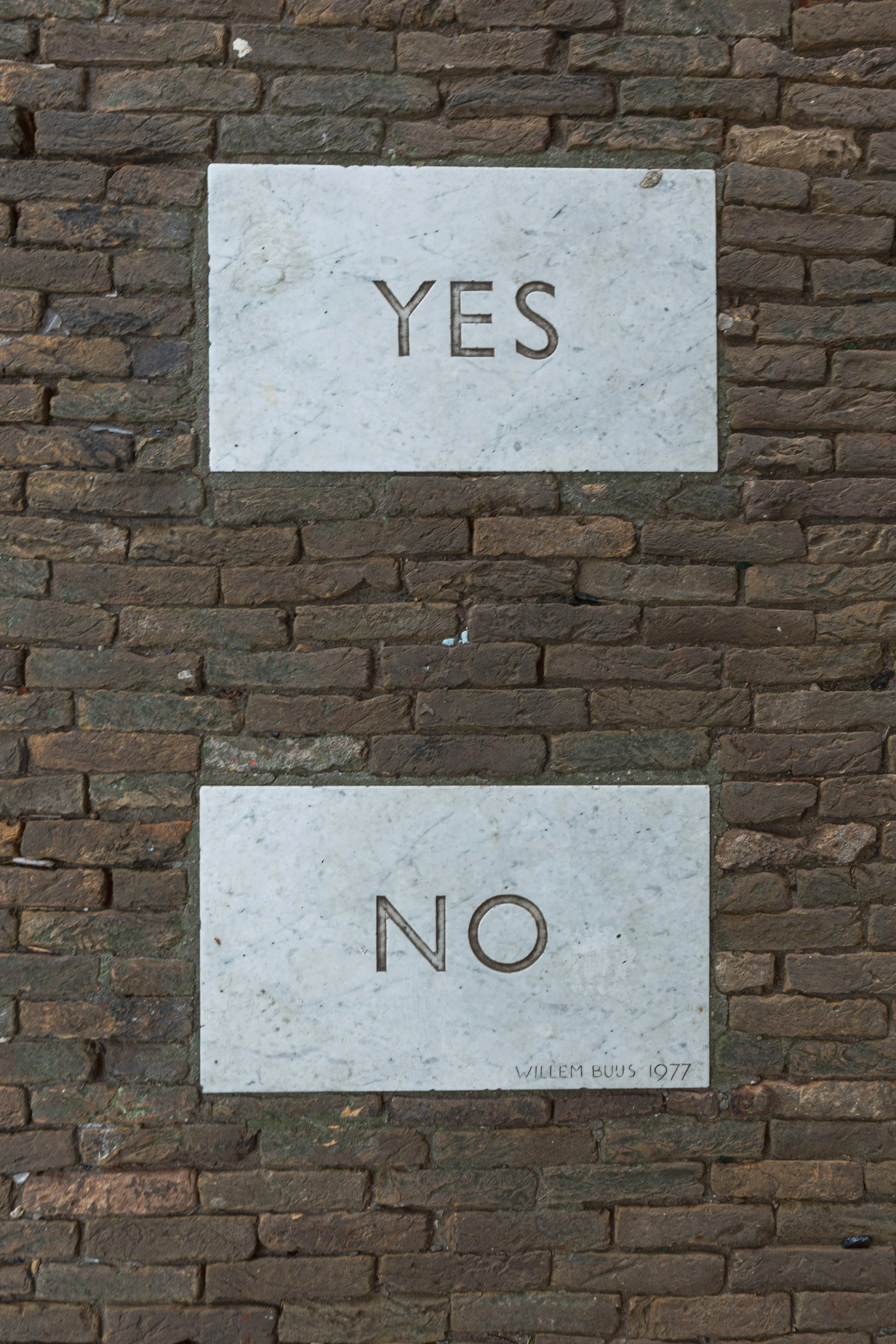
One of the simplest tools I recommend is a “two yeses” rule. If both of you feel good about something, it stays on the table. If one of you is not feeling it, it’s a no or a not right now. This keeps your planning decisions centered on the two people getting married, which is exactly where they should be.
It also gives you a graceful way to respond to advice without getting pulled into debate. You can simply say, “We’re still deciding what feels most like us, but we’ll keep that in mind.”
It’s a simple filter that keeps your wedding out of committee mode.
Sort advice into three buckets
When advice comes in, mentally place it into one of these categories.
Helpful and relevant. This advice aligns with your priorities and is coming from someone who understands your style and reality.
Nice idea, not for us. It’s not bad. It’s just not your wedding.
Outdated or unhelpful. This is the advice that creates stress, pressure, or unrealistic expectations.
This is not about judging people. It’s about protecting your experience. A wedding is not a group project. You can accept love without accepting direction.
Decide whose opinions actually matter
Most couples feel overwhelmed because they start planning like they’re managing a committee instead of making decisions as a couple. Instead, choose a small circle of people whose input you truly value. Maybe that includes a parent, a sibling, or a close friend who knows you well and gives grounded advice. For everyone else, you can thank them, smile, and move forward without taking it on.
A helpful phrase is: “That’s a good point. We’re taking our time and making decisions as a couple.” It’s polite, and it ends the conversation.
Set boundaries early, especially with family
Engagement season comes with excitement, and sometimes that excitement turns into pressure. People want to be involved. People assume they get a vote. People start making guest list suggestions before you’ve even chosen a season.
If you can set expectations early, planning becomes calmer.
You might decide:
who is contributing financially, and what that contribution does or does not include
who gets to weigh in on major decisions
what details you are keeping private until you’re ready to share
how often you want to discuss wedding plans with family and friends
Boundaries are not rude. They are structure. And structure is what protects your joy.
Keep your planning decisions anchored to priorities, not opinions
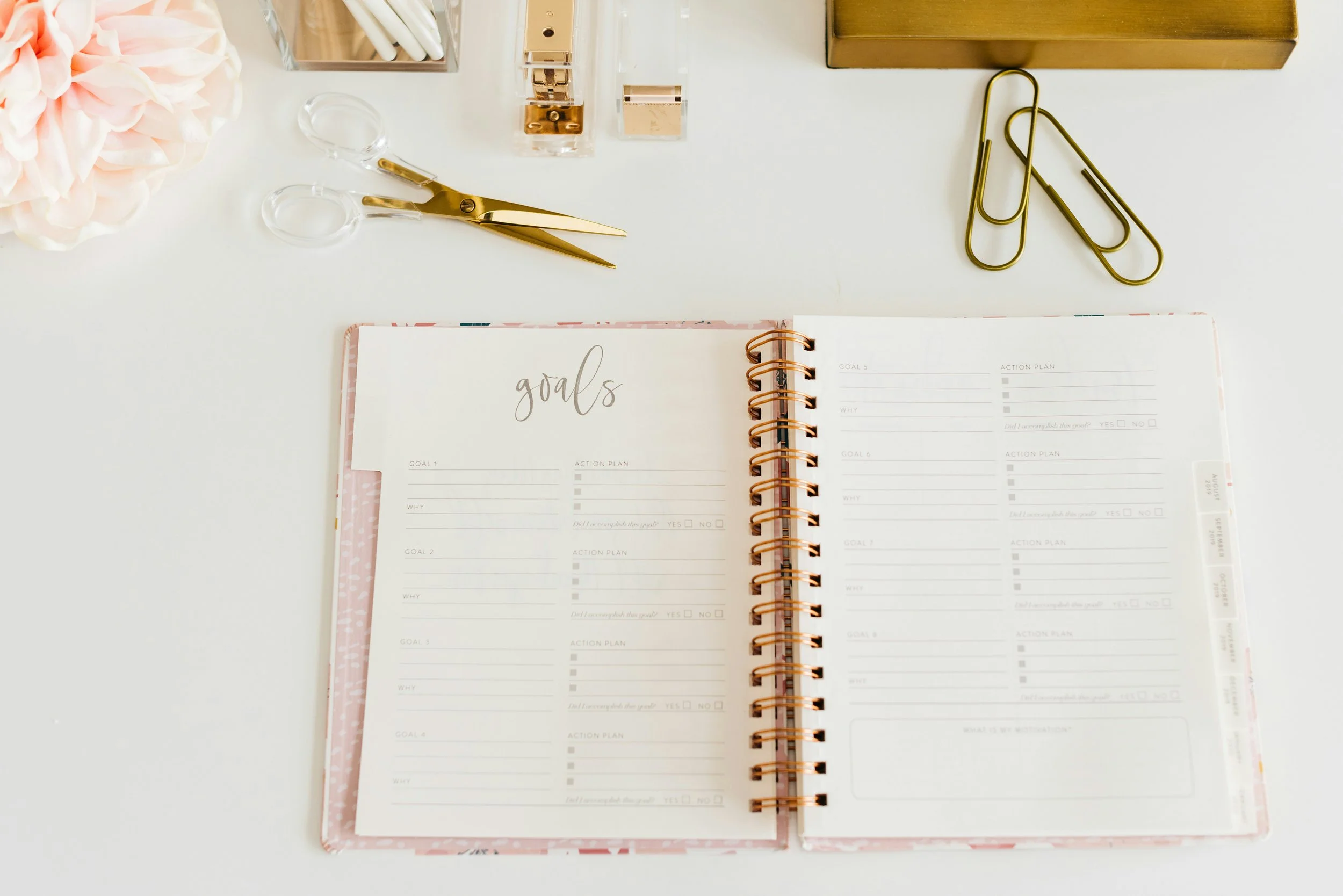
If you want a quick way to stay grounded, choose your top three priorities as a couple. Not ten. Three.
Maybe it’s guest experience, photography, and a great party. Maybe it’s an intimate day, a meaningful ceremony, and amazing food. Once you know your priorities, advice becomes easier to filter because you can ask one question: does this support what matters most to us?
If it does, consider it. If it doesn’t, let it go.
Save the advice you like without making immediate decisions
You do not need to decide everything in the first month of being engaged. If someone shares a great idea, save it. Make a note. Drop it in your planning folder. Move on.
One of the best things you can do early is choose one place where everything lives, a shared Google Drive folder, a notes app, a planning spreadsheet. When advice comes in, you can store it there without letting it take over your day.
If advice is causing conflict, pause and reset
If the advice is starting to create tension between you and your partner, that is your cue to pause. Come back to the two yeses rule. Revisit your top priorities. Remind yourselves that the goal is not to impress people. The goal is to get married and enjoy the day you worked hard to create.
Sometimes the most confident voices are simply the loudest, not the most correct.

Engagement season is beautiful, and it can also be loud. You’re allowed to protect your peace while you plan. You can appreciate advice without adopting it. You can set boundaries without feeling guilty. And you can choose a wedding that feels like you, even if it looks different than what someone else expected.
You’re not building a group project. You’re building a day that feels like you.
If you want support keeping decisions clear, organized, and grounded in what matters most to you, I’d love to connect.